Executive Branch (Executive Cabinet) of the National Iranian Congress
The Executive Cabinet is one of the three core branches of the National Iranian Congress (NIC) and serves as the organization’s executive authority. Its primary responsibility is to implement and enforce the laws, policies, and regulations adopted by the NIC Senate, ensuring that legislative decisions are translated into effective action.
Role and Responsibilities
The Executive Cabinet is responsible for:
- Executing laws and resolutions passed by the Senate
- Managing the day-to-day operations of the NIC
- Coordinating national and international initiatives in line with NIC policy
- Overseeing administrative, strategic, and policy implementation functions across the organization
Through its actions, the Executive Branch ensures continuity, accountability, and effective governance within the NIC framework.
Composition and Appointment Process
The Executive Cabinet is composed of fifteen members and is led by the Secretary General, who serves as the chief executive officer of the National Iranian Congress.
- The Secretary General is appointed by the NIC Senate for a three-year term, reinforcing democratic oversight and legislative accountability.
- Upon appointment, the Secretary General nominates fourteen Secretaries, each responsible for a defined policy or administrative portfolio.
- These nominees are presented to the Senate leadership and are appointed only after receiving Senate approval, ensuring transparency, merit-based selection, and institutional checks and balances.
Democratic Governance in Practice
While the NIC works to provide a credible and organized democratic alternative to the current regime in Iran, it actively practices democratic governance within its own structure. The Executive Branch operates under the authority of laws enacted by the Senate and remains accountable to it through confirmation procedures, oversight, and defined term limits.
This structure ensures that executive power within the NIC is derived from representation, constrained by law, and accountable to elected legislators. By modeling a responsible and constitutional executive system, the NIC demonstrates its commitment to democratic principles not only as a future vision for Iran, but as a functioning reality within the organization today.

Dr. Mashallah Masoumi
Secretary General
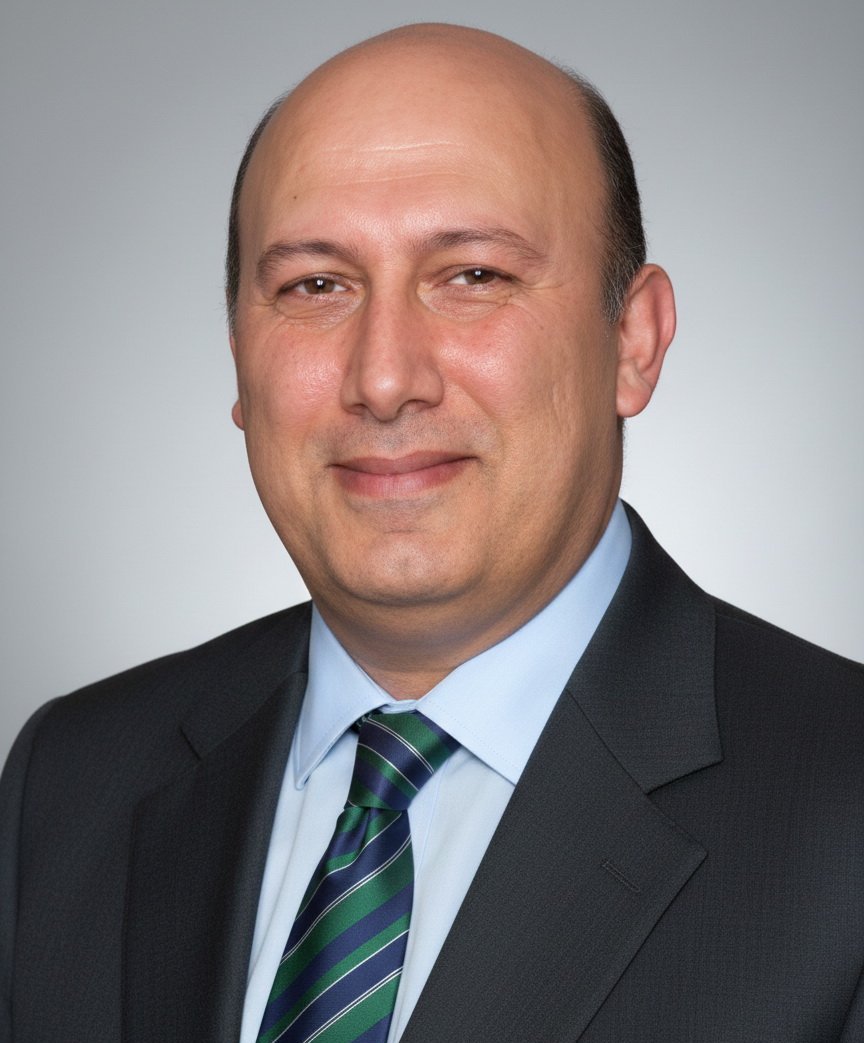
Ramin Nikoo
Former Secretary General (2013-2022)

Sadaf Habib Panah
First Secretary
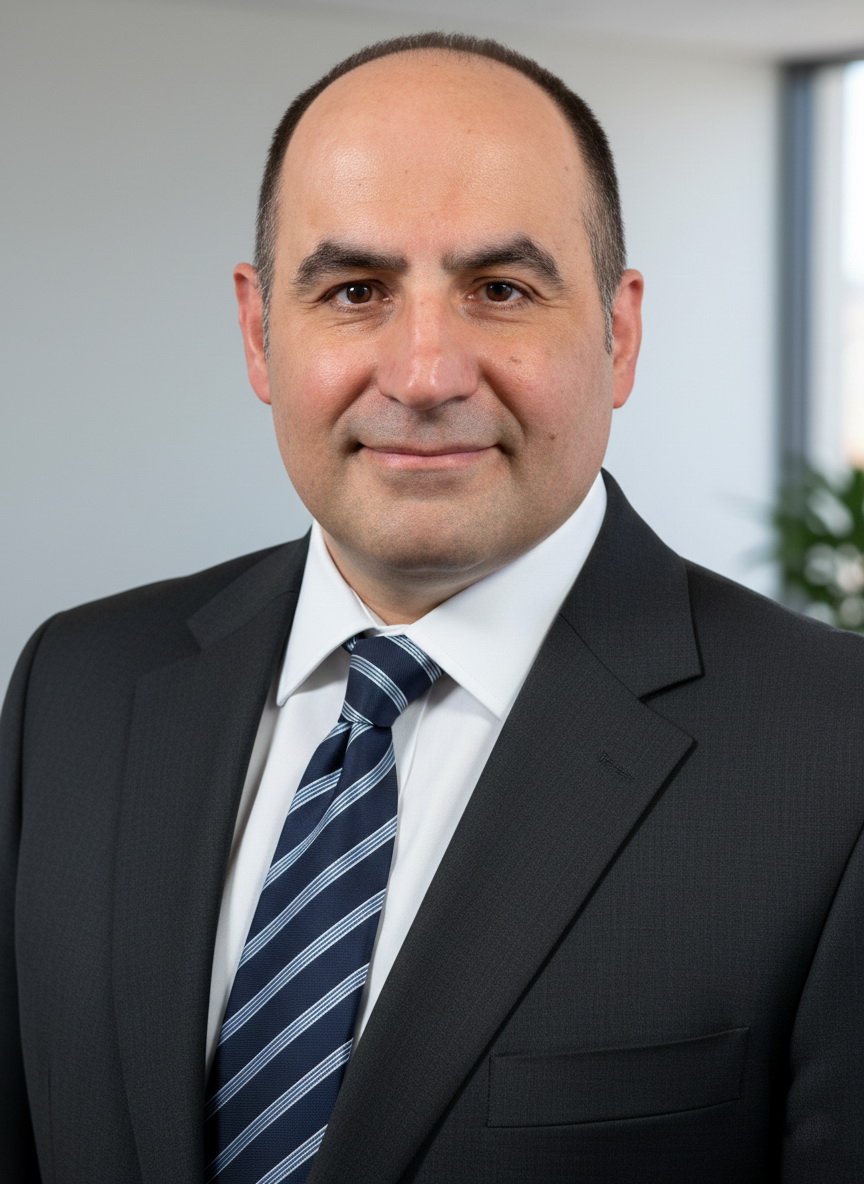
Vahab Safaei
Secretary of Culture and Arts
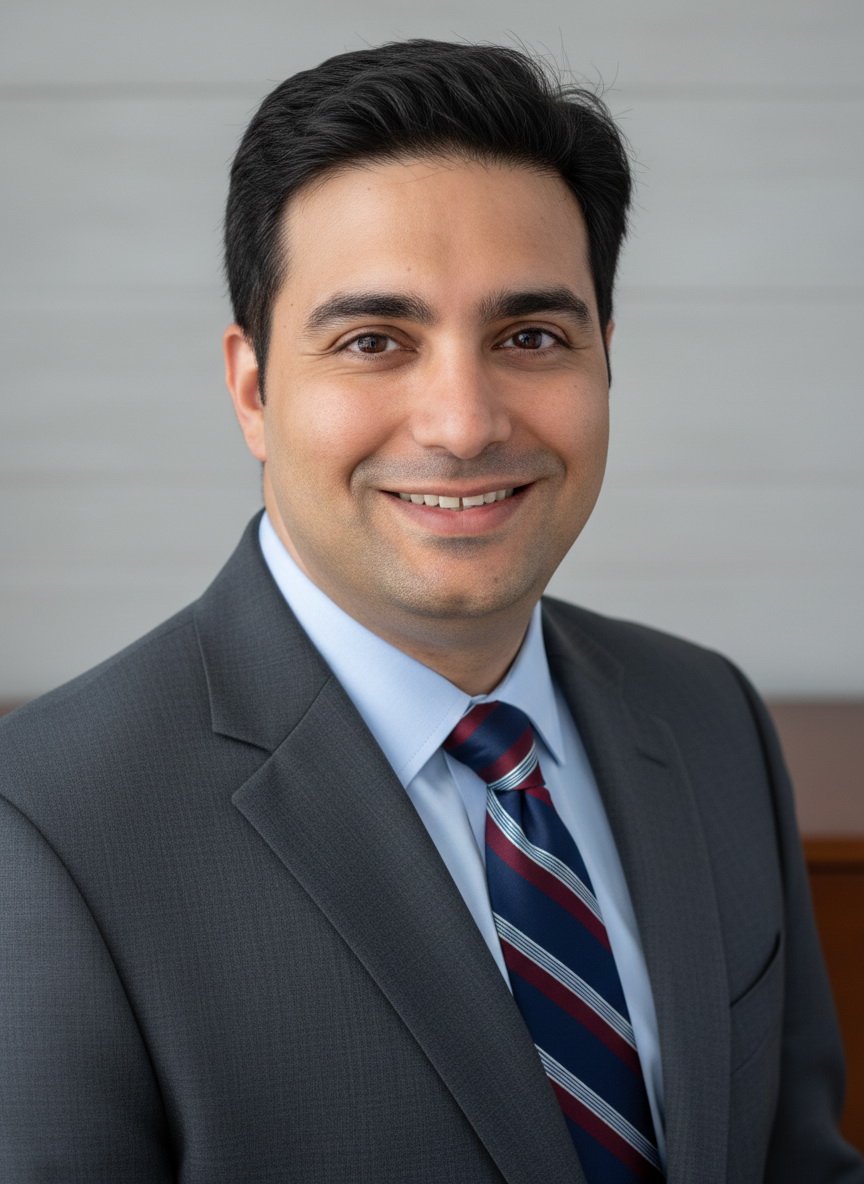
Farzad Khalili
Secretary of Technology
Spokesperson of Executive Cabinet

Shima NIC Secretary of Education and Science

Secretary of Ethnics

Secretary of Health and Human Services

Secretary of Public Affairs

Secretary of Urban Development

Secretary of Judiciary

Secretary of Labor

Secretary of Foreign Affairs

Secretary of Human Rights

Secretary of Agriculture

Deputy Secretary of Judiciary

Deputy Secretary of Labor