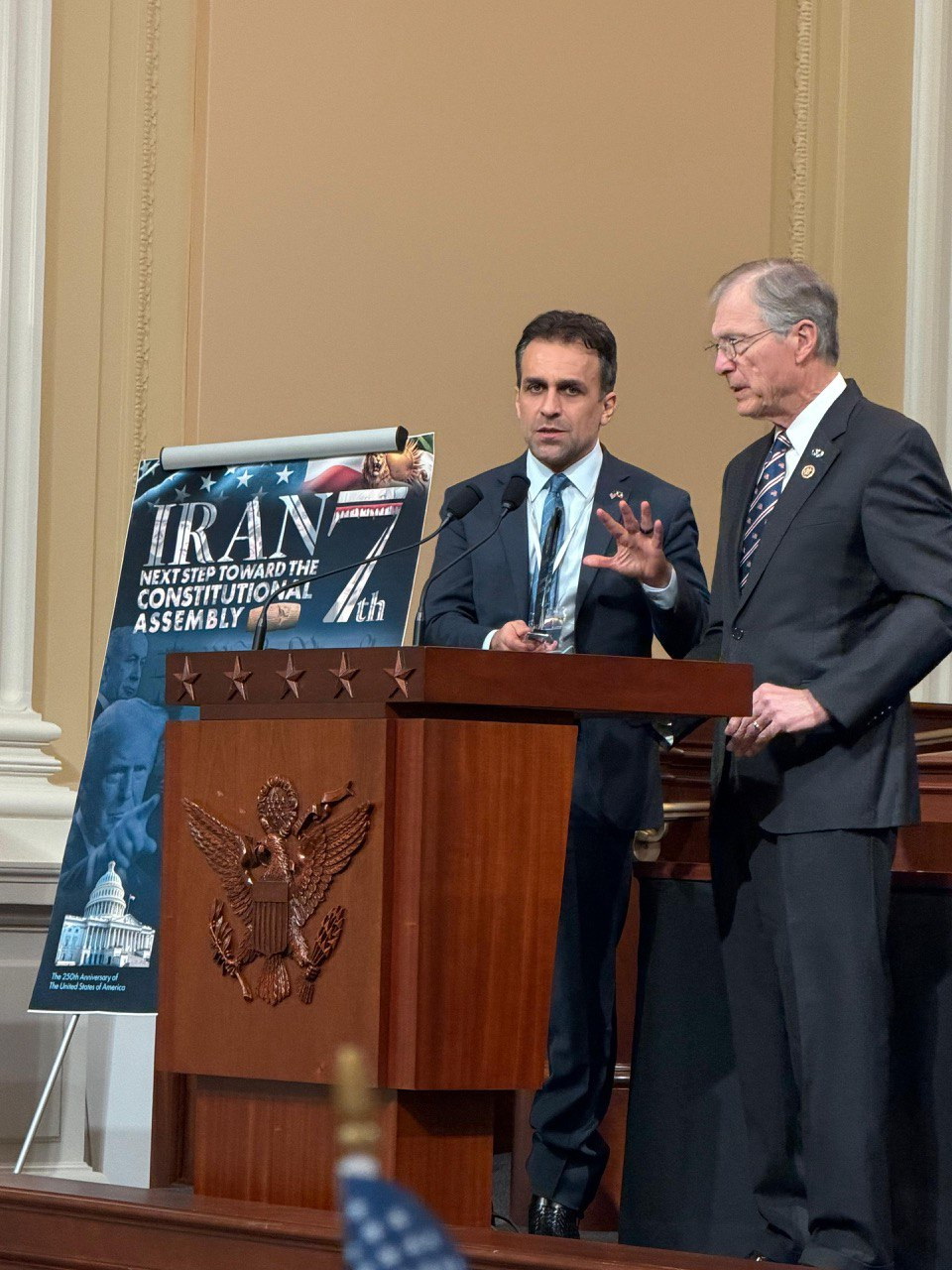
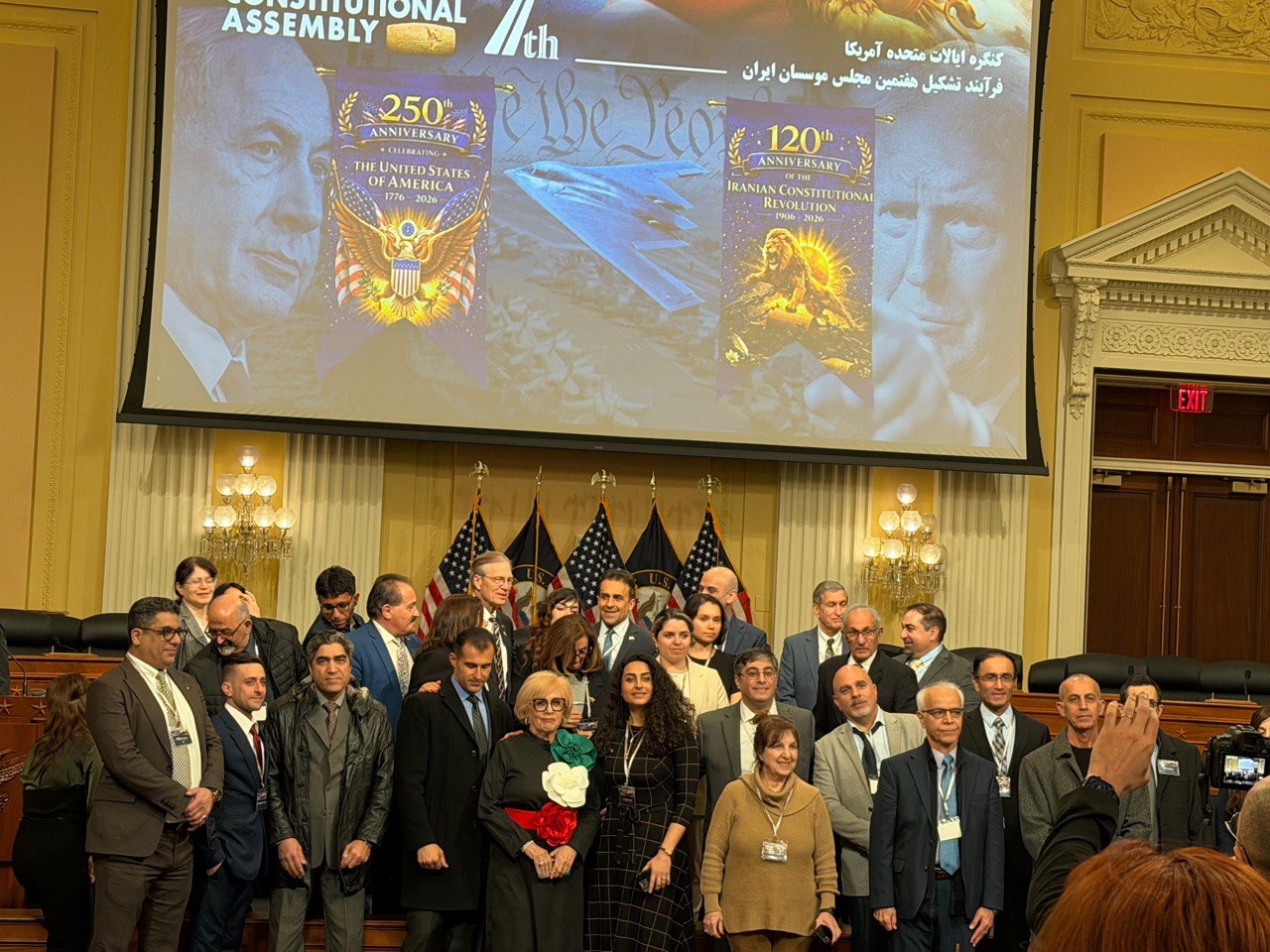
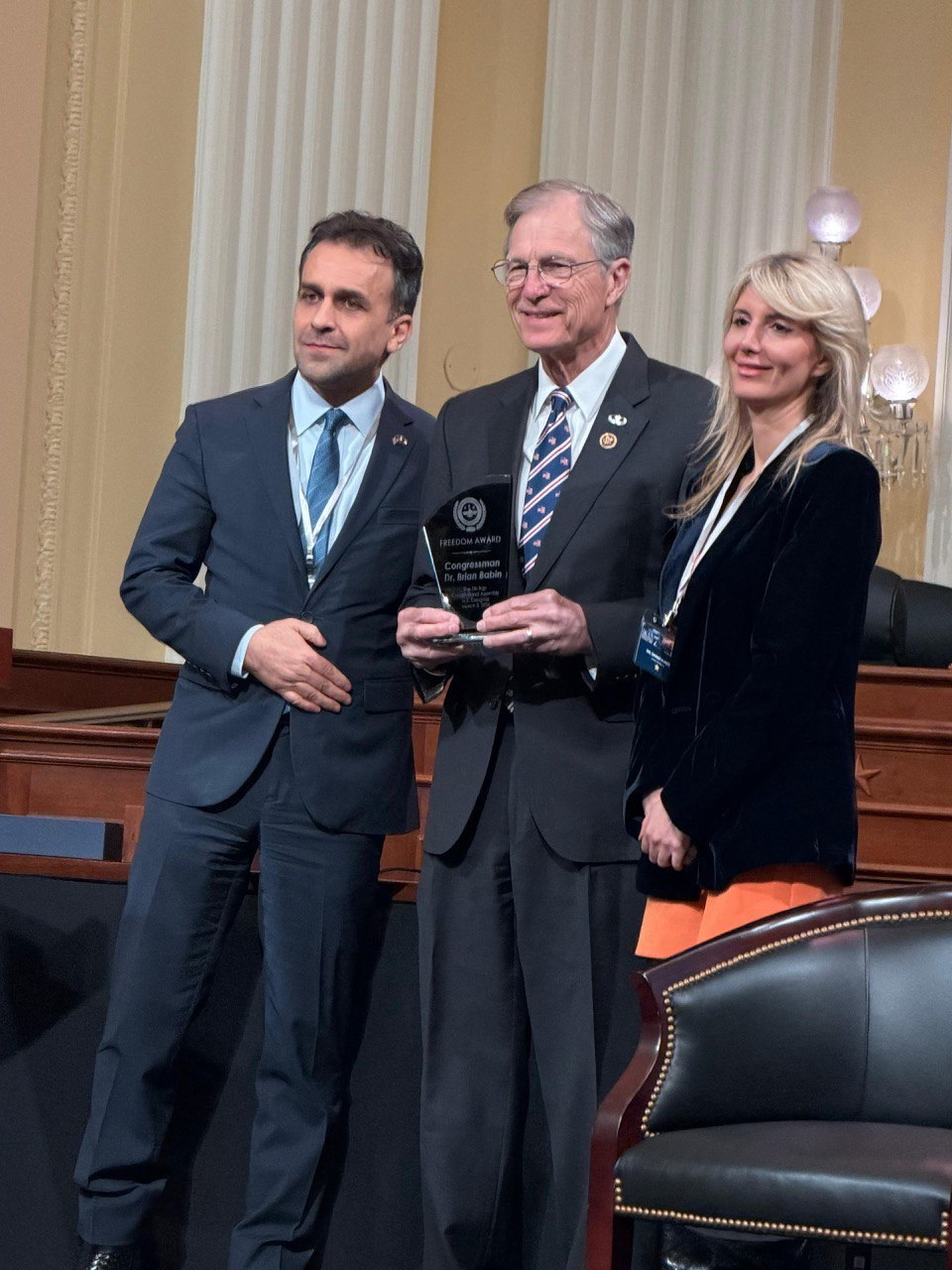
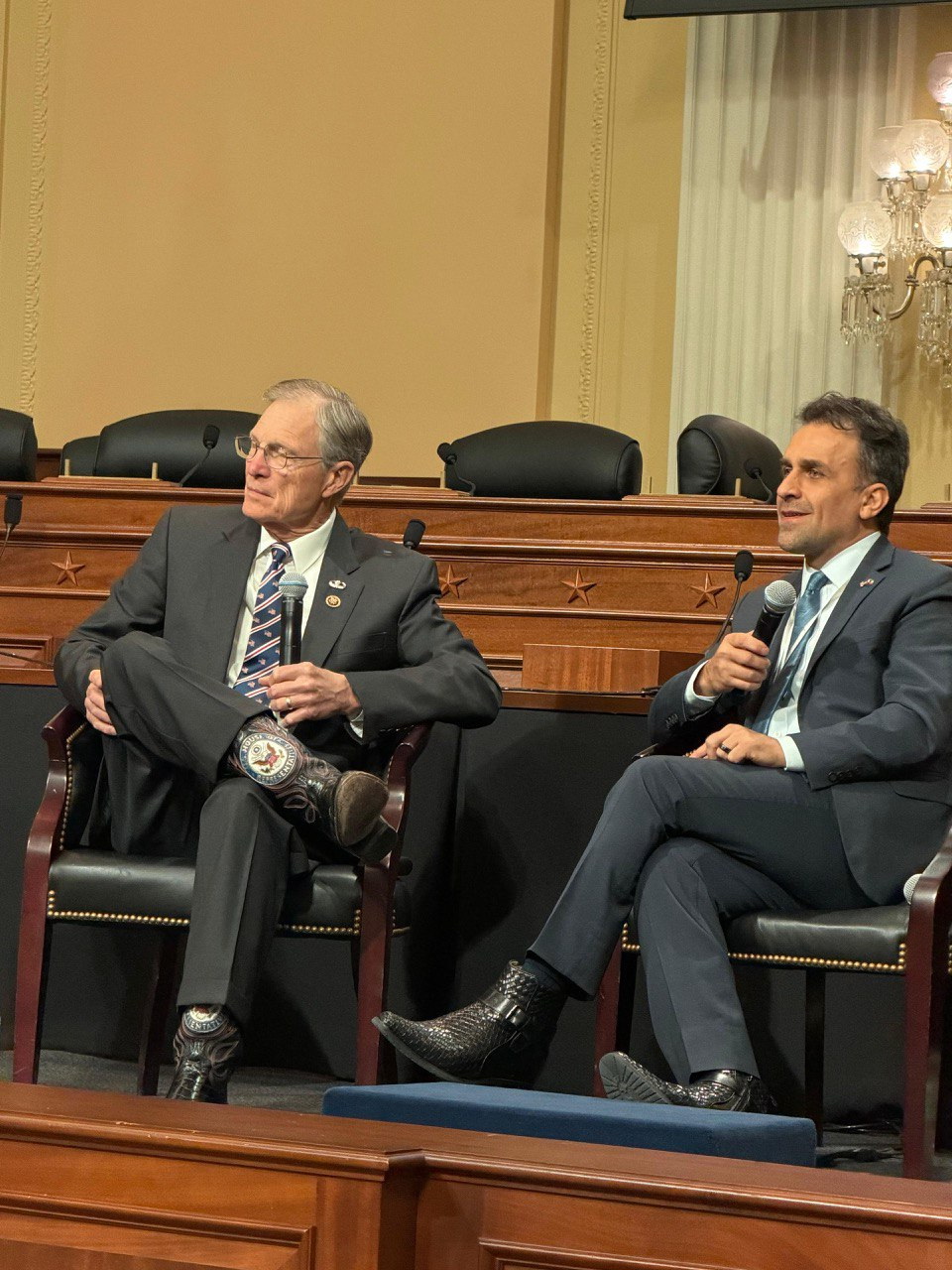
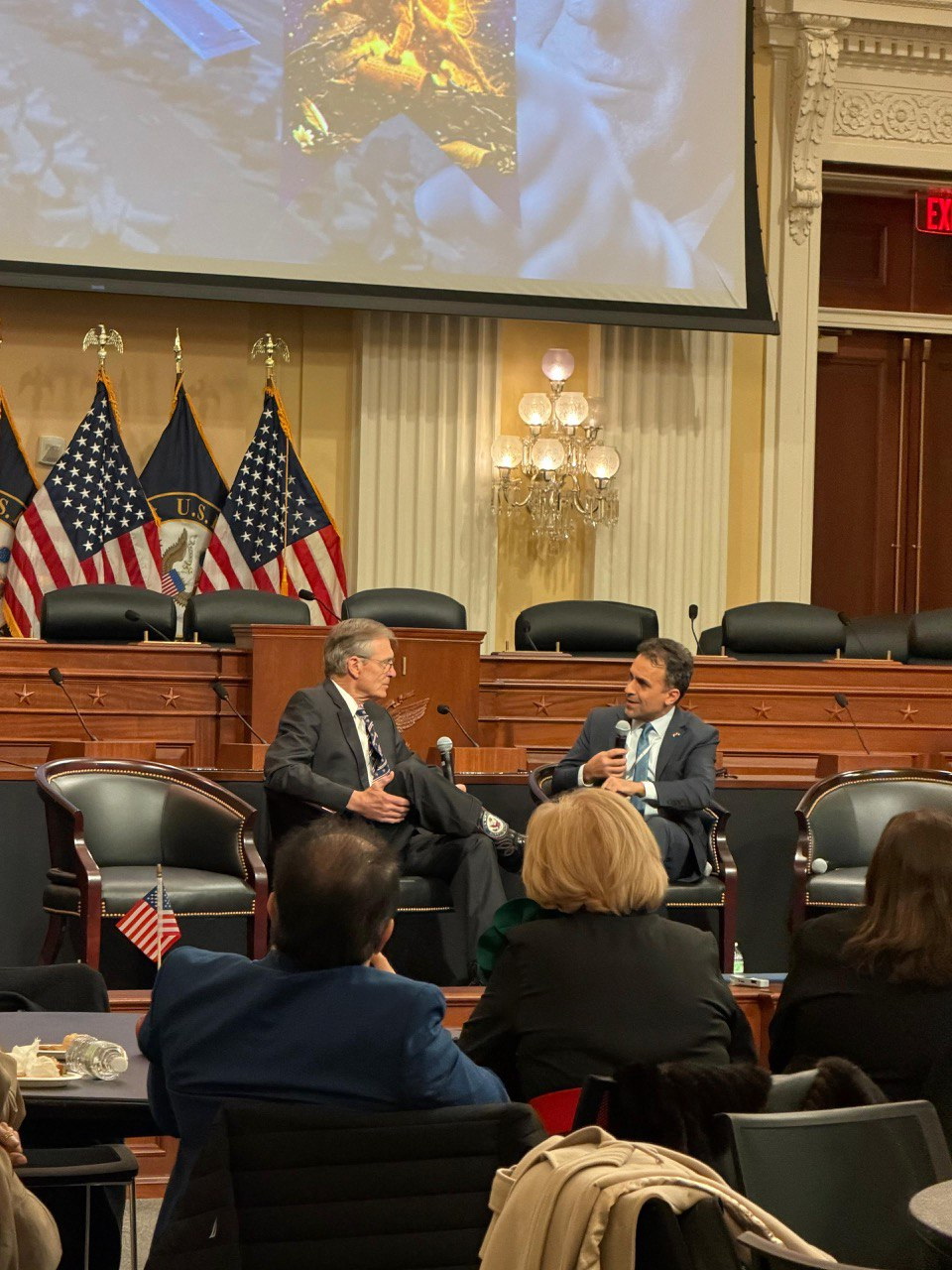
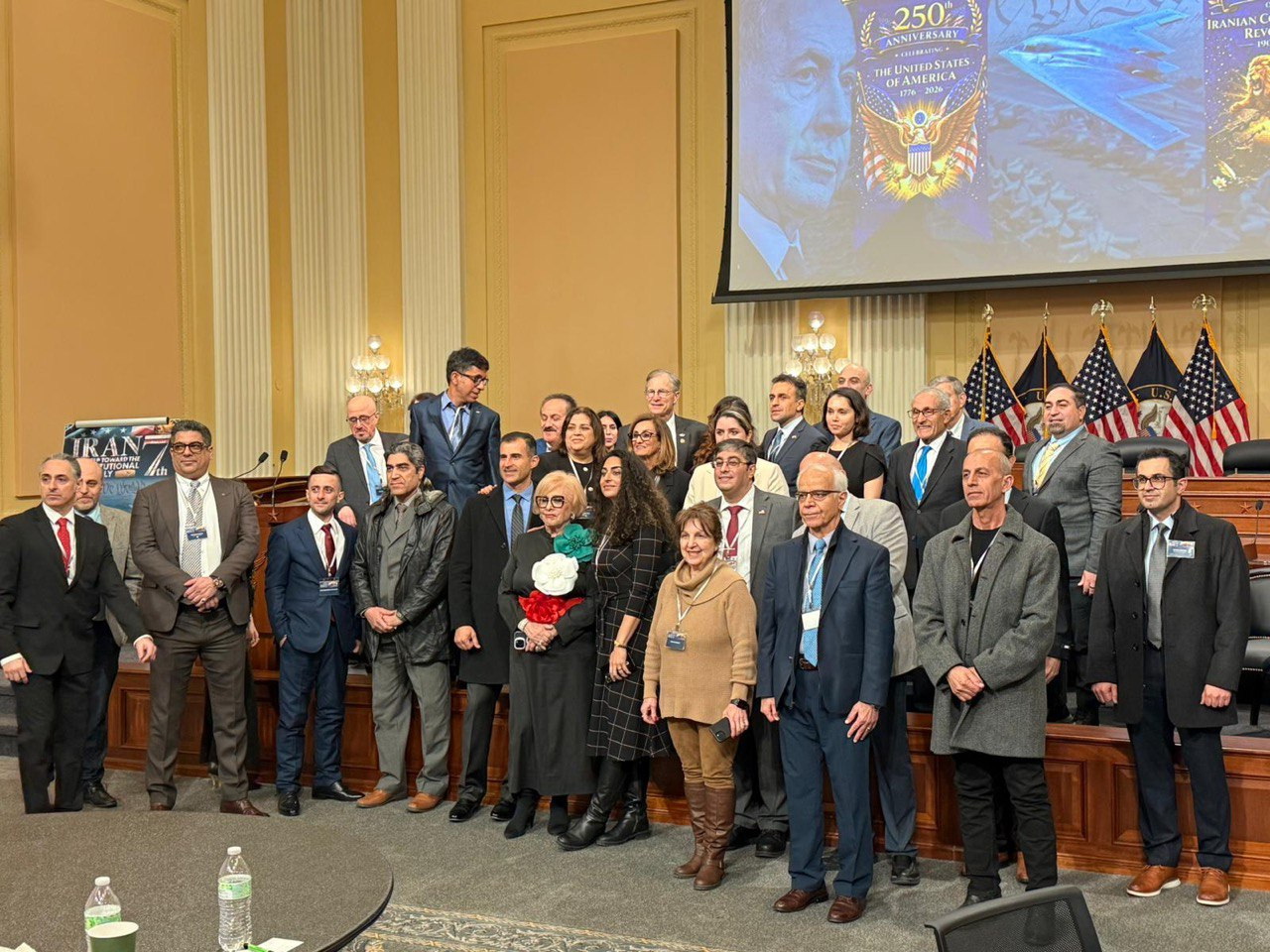
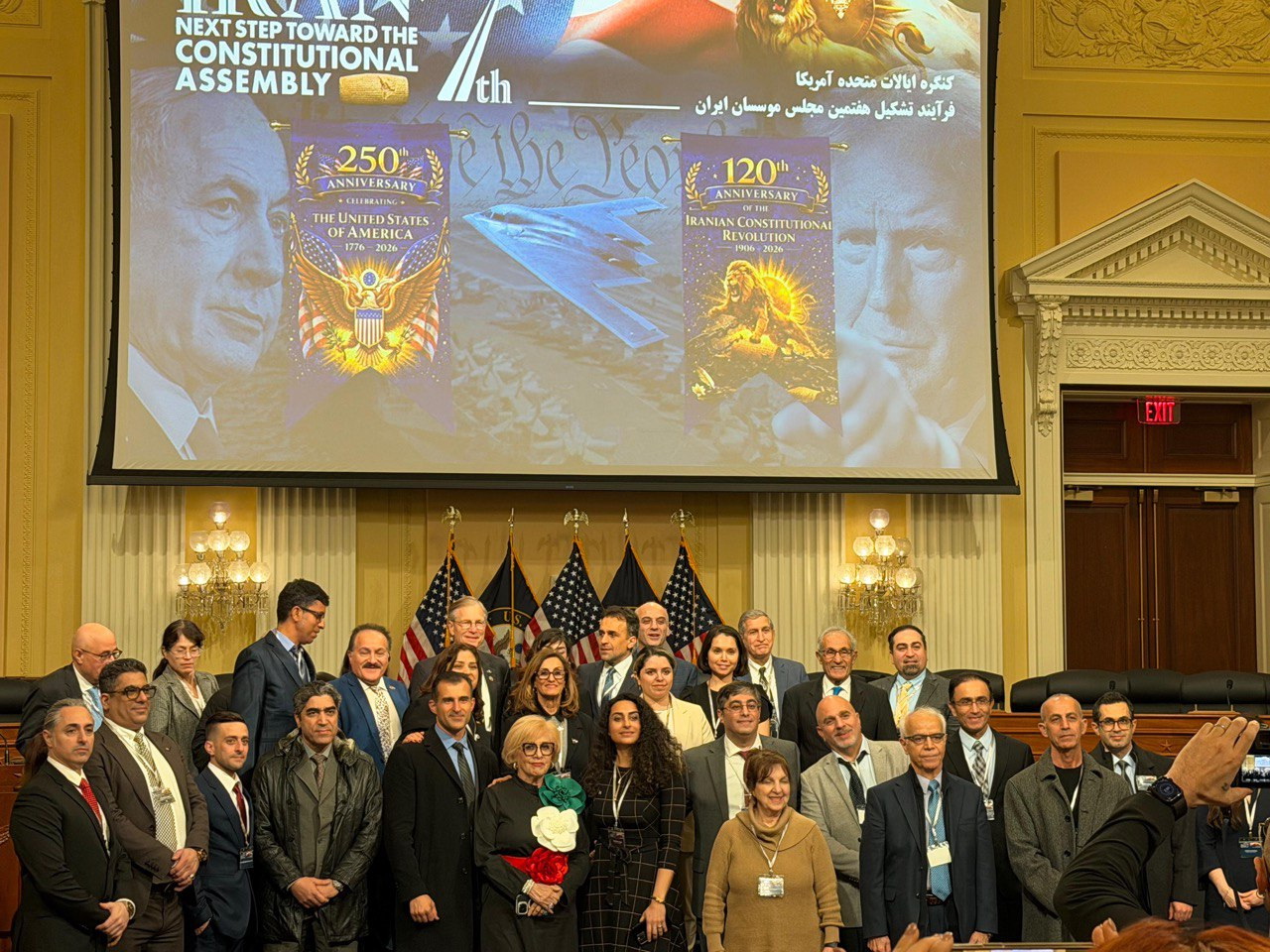
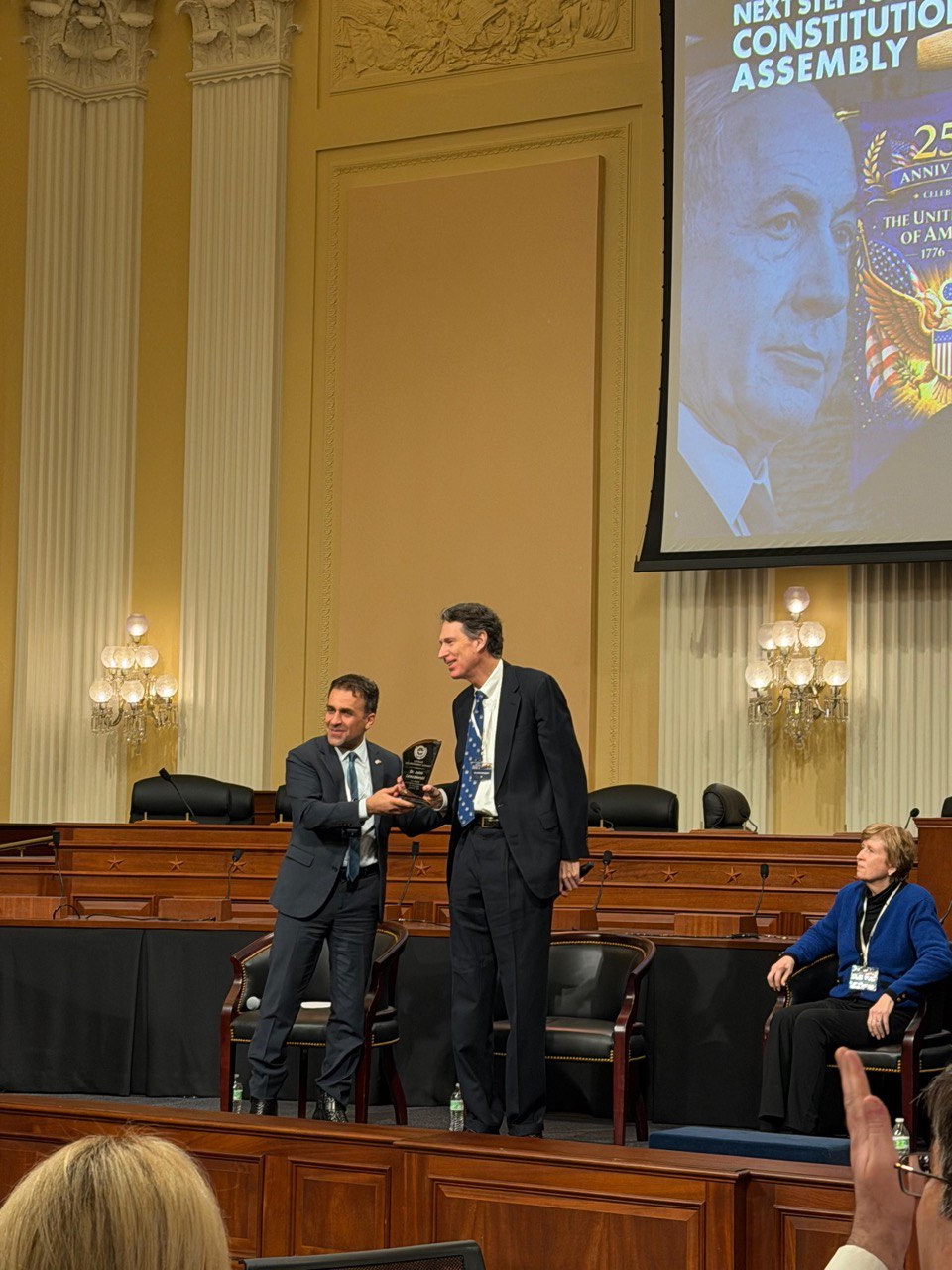
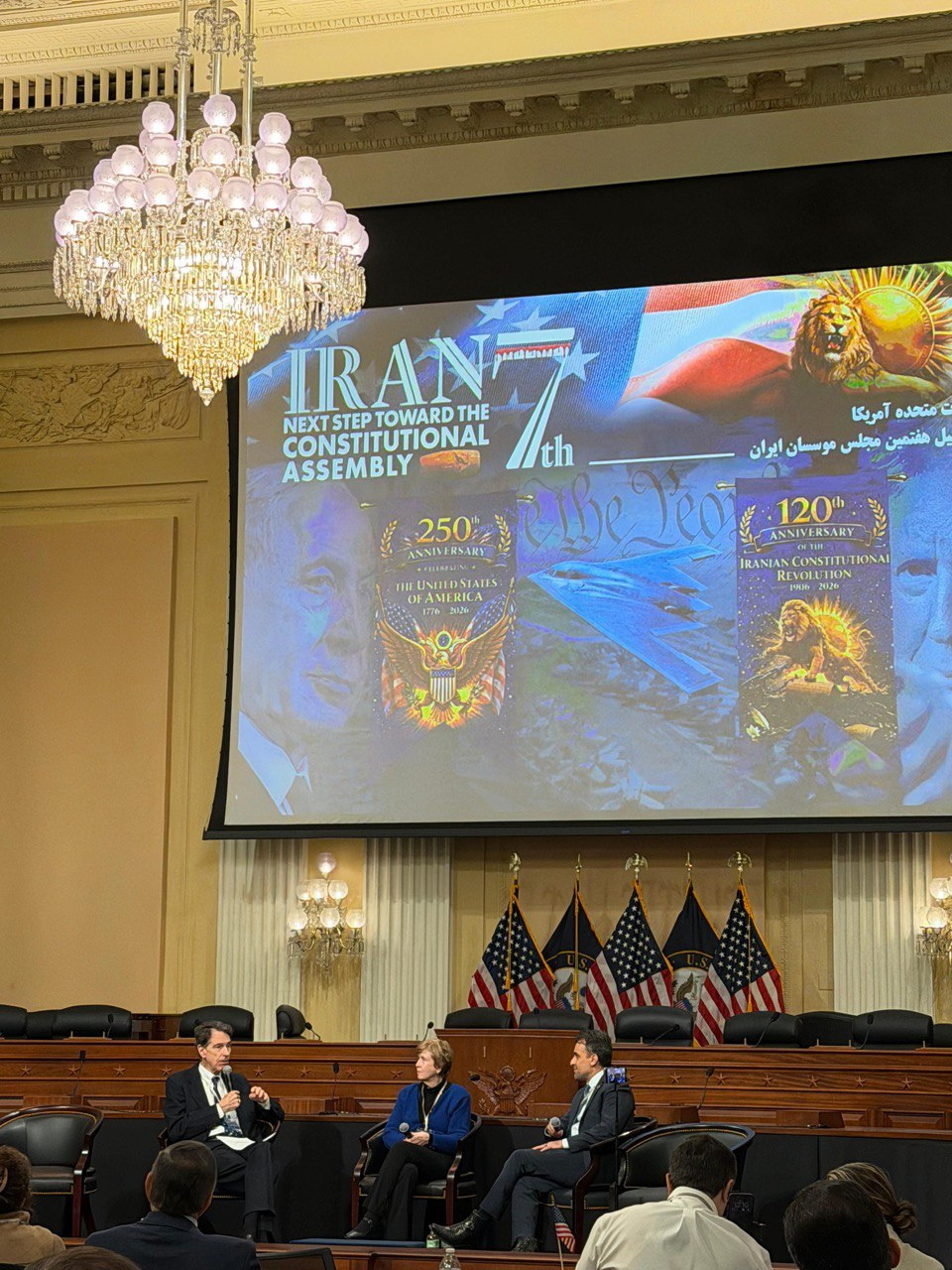
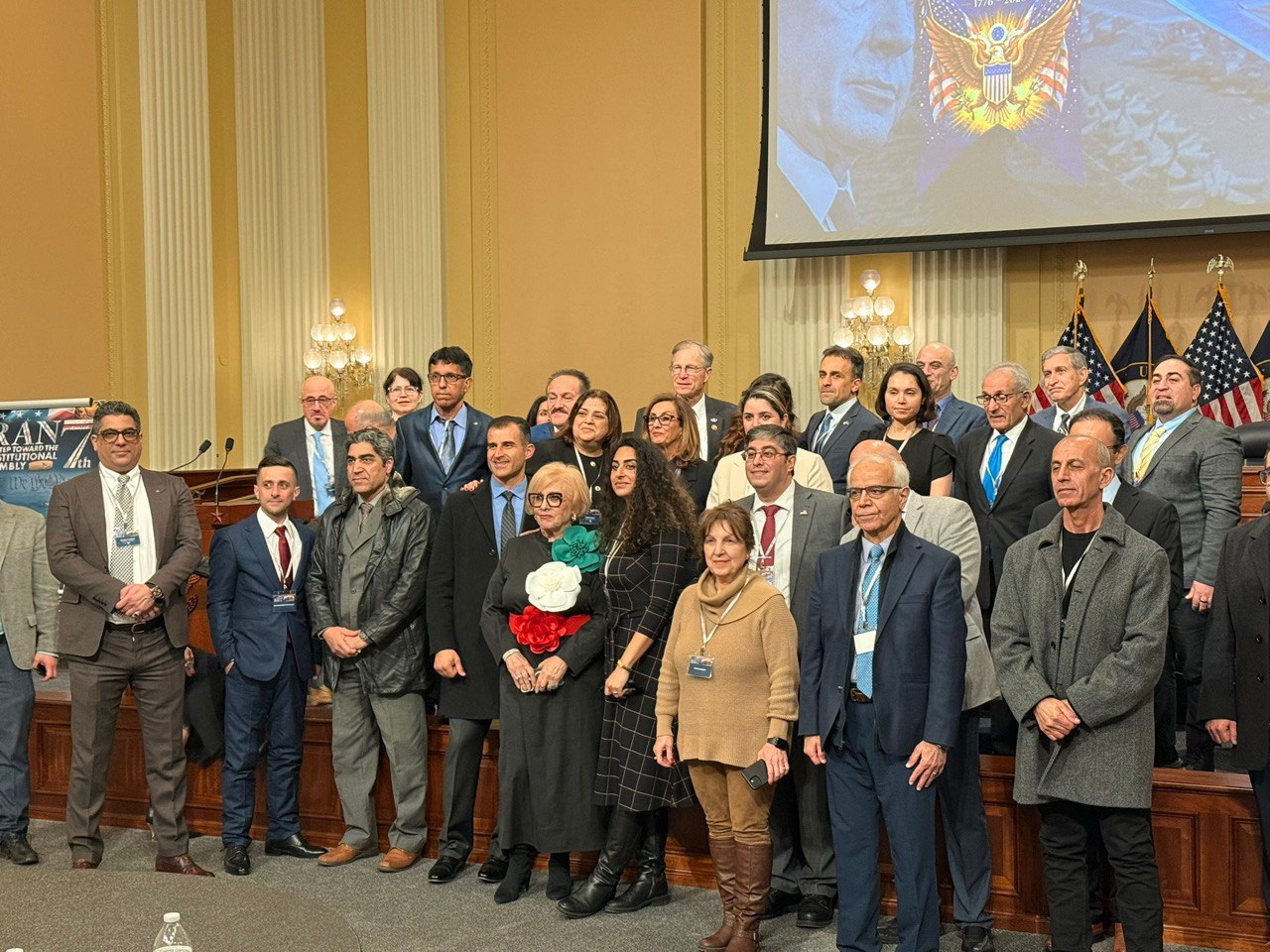
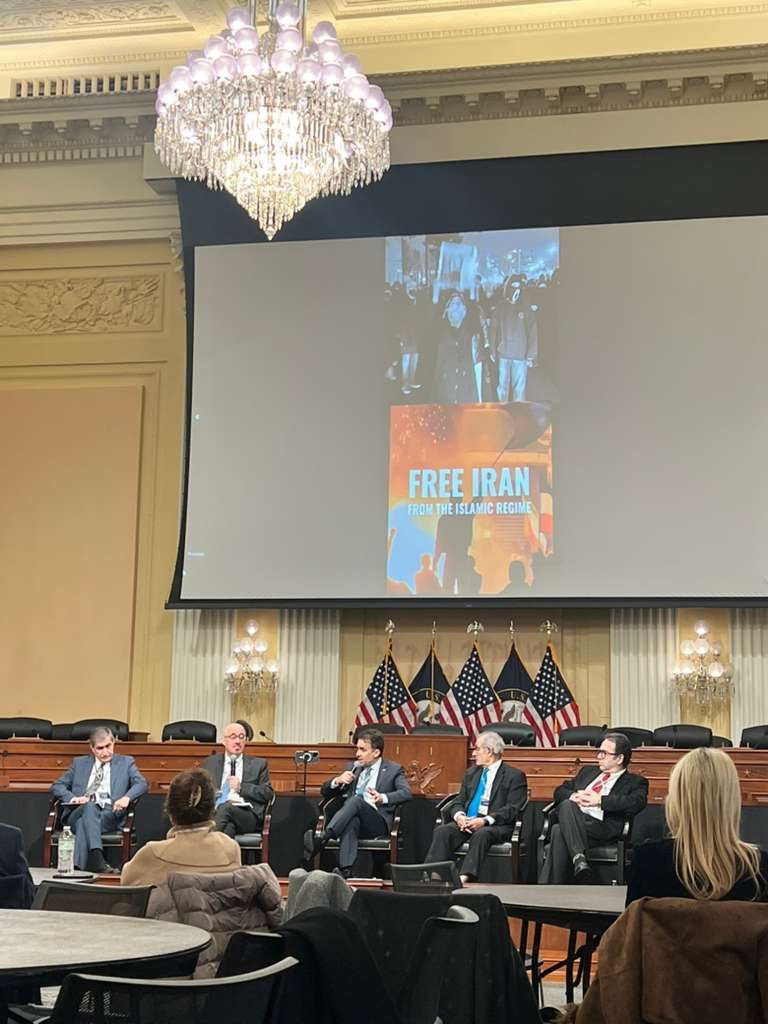
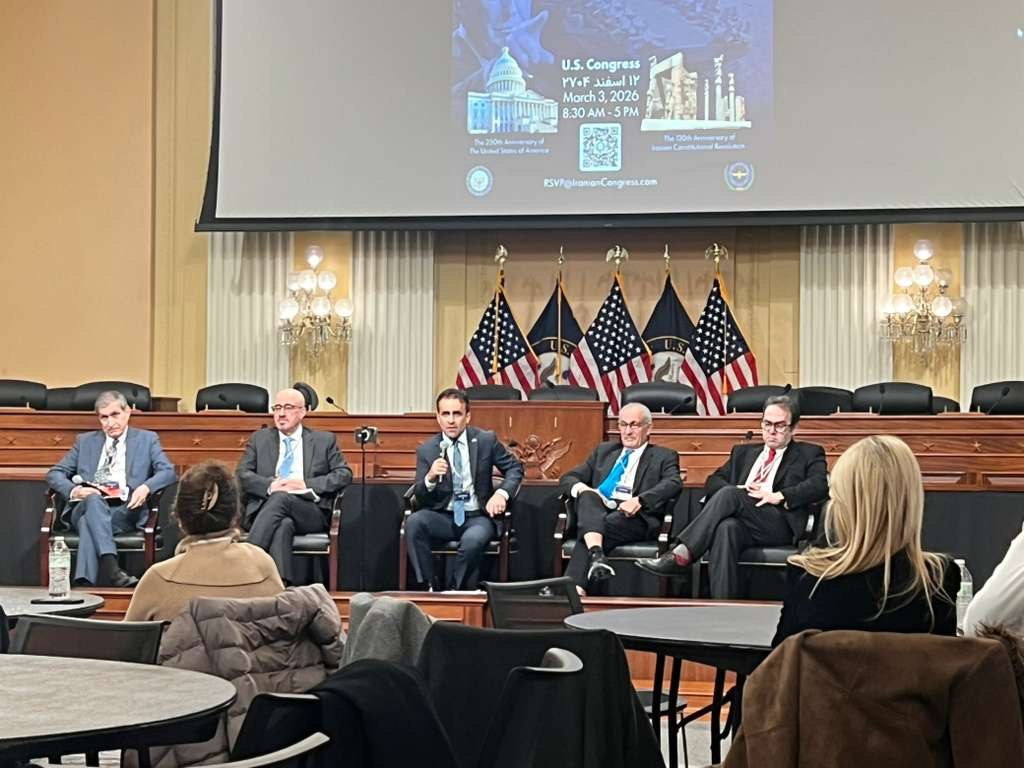
Next step toward Iran’s 7th Constitutional Assembly- ICA7TH
Location: United States Congress, Washington, D.C.
Address: Cannon House Office Building, Washington, D.C. -Cannon Cacus Room
Introduction
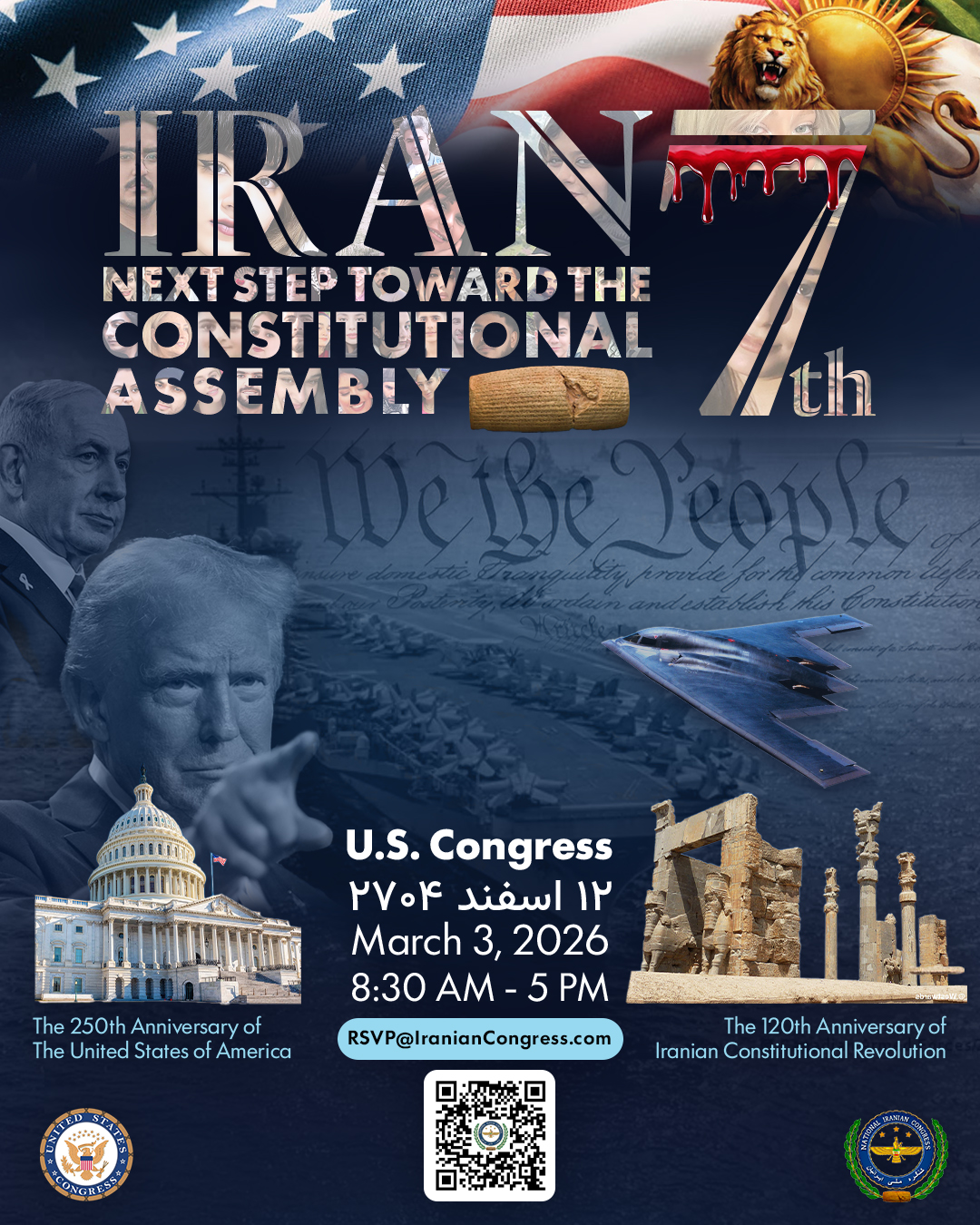
The Iran Constitutional Assembly 7th (ICA7TH) convenes at a historic crossroads.
This year marks the 120th anniversary of Iran’s first Constitutional Revolution (1906) — a defining moment when Iranians first demanded the rule of law, limits on absolute power, and a constitution that would place sovereignty in the hands of the people. It also coincides with the 250th anniversary of the United States of America, the world’s most enduring example of a successful written constitution that has safeguarded liberty, representation, and democratic governance for over two centuries.
The American experience demonstrates a profound truth: a nation endures and prospers when power flows from a constitution that genuinely belongs to its people. The strength of the United States lies not merely in its institutions, but in a constitutional framework that has consistently placed authority in the hands of citizens rather than rulers.
For the people of Iran, the struggle to realize this same promise has continued for more than a century. Despite repeated attempts, interruptions by authoritarian rule, and generations of sacrifice, a true people-centered constitutional order has yet to fully take hold.
ICA7TH is convened with the conviction that this moment is different.
At a time when Iran’s population is younger, more educated, more globally connected, and more informed than at any point in its history, this conference represents the first formal step toward forming the Seventh Constitutional Assembly in the past 120 years — an assembly envisioned to finally complete the unfinished mission of Iran’s constitutional movement.
We believe that with the support of democratic allies, and with the leadership of the free world President Donald J. Trump the conditions now exist for a genuine constitutional transition. One that empowers Iranians themselves to determine the future of their nation through law, representation, and democratic legitimacy.
ICA7TH is not merely a conference. It is a declaration that the Iranian people are ready to reclaim constitutional sovereignty, and that this new generation has both the knowledge and resolve to succeed where previous generations were denied the opportunity.
From Washington, D.C. — the birthplace of a constitution that changed the course of history — we gather to help lay the foundation for a constitution that can finally lead Iran into a democratic future.
Featured Themes & Discussions:
Registration:
Register Now: [Link to registration form]
Registration is required for attendance. Please complete all fields and ensure you have government-issued ID for entry to the U.S. Capitol complex.
Who Should Attend:
Questions:
Email: ica7th@iraniancongress.com
How the Past Six Democratic Transition Conferences Built the Path to ICA7TH
The Iran Democratic Transition Conferences were foundational stepping stones toward a cohesive, democratic vision for Iran’s future. Each one contributed distinct lessons, networks, and momentum — from raising global awareness to shaping democratic frameworks that connect activists, intellectuals, diaspora leaders, and policymakers.
IDTC I – Opening the Dialogue
The inaugural event brought together scholars, dissidents, and policymakers to frame the core challenges of Iran’s political situation. It set the tone for pragmatic discussion about democratic transition and recognized the need for a secular, pluralistic future for Iran. This first step helped build a network of voices committed to systemic change.
The Iran Democratic Transition Conference I (IDTC), held on January 24, 2011, at George Washington University’s Jack Morton Auditorium and the U.S. Capitol Hill Congressional Visitors Auditorium, was a landmark event.
It convened Iranian thinkers, scholars, activists, and U.S. policymakers to discuss realistic pathways for political change in Iran, aiming for a secular, pluralistic, democratic system.
Key themes included challenges/opportunities of transition, new media/cyber activism, the new generation’s vision, secularism/constitutional reform, sanctions/international policy, opposition leadership, and Iran’s global relations.
It featured expert panels, a commemorative session honoring Neda Agha-Soltan (symbol of the Green Movement), and speakers like U.S. Congress members, former Iranian diplomats, scholars, journalists, civil society leaders, and ex-political prisoners.
Sponsored by the Institute of World Politics and coordinated by the Confederation of Iranian Students (CIS), a pro-democracy student movement. Simultaneous interpretation was provided.
IDTC II – Expanding Networks & Voices
This second conference broadened participation, integrating diverse perspectives of Iranian voices inside and outside the country — including youth, civil society, and experts on governance. It laid the groundwork for a shared language around democratic change and the paths toward it.
The Iran Democratic Transition Conference II, titled “Remembering Neda: A Symbol of Freedom and Democracy in Iran”, was held on Sunday, June 19, 2011, at George Washington University’s Jack Morton Auditorium in Washington, D.C.
It commemorated the anniversary of Neda Agha-Soltan’s death (shot during the 2009 Green Movement protests), honoring her as an icon of peaceful resistance and the Iranian people’s push for freedom and dignity.
The event gathered U.S. policymakers, scholars, Iranian activists, media figures, religious leaders, and civil society reps to discuss the Green Movement’s impact, religion vs. secular governance, religious freedom, media’s role, and implications for U.S./international policy toward Iran.
Notable speakers included Prince Reza Pahlavi, Dr. Kenneth Katzman (Congressional Research Service), Amir Abbas Fakhravar, Caspian Makan (Neda’s fiancé), Ramin Asgard (VOA Persian), Dr. Walid Phares, and others from diverse backgrounds.
Sponsored by the Center for Culture and Security at The Institute of World Politics, the Confederation of Iranian Students, and the Iran Democratic Union, it built on a successful prior conference in January 2011.
IDTC III – Policy & Strategy
By the third gathering, strategic frameworks began to take shape — discussions centered on actionable policy recommendations, transitional justice, and how constitutional principles could anchor Iran’s democratic journey.
Iran Democratic Transition Conference III Establishing a National Iranian Congress / Introducing the National Iran Council
On March 7, 2013, the Center for Culture and Security at The Institute of World Politics (IWP), in collaboration with the Confederation of Iranian Students, hosted this conference in Washington, DC.
The event formally introduced the National Iran Council (also referred to as National Council of Iran), a proposed framework to advance democratic transition in Iran toward a free, pluralistic, and representative government.
Key speakers included:
Messages were delivered on behalf of U.S. Senators John Cornyn (R-TX) and Jeff Sessions (R-AL).
A panel discussion featured members of the Interim Committee of the National Iran Council (moderated by Cina Dabestani), including Riza Pirzadeh, Nazila Golestan, Shahin Nejad, Amir Golalipour, and Dr. Saeed Ganji, focusing on the Council’s vision, objectives, and coordination of pro-democracy forces.
The invitation-only conference served as a high-level forum for dialogue on democratic transition, national unity, and international engagement for Iran.
Add to chat
IDTC IV – Building Institutional Foundations
Here, participants delved deeper into institutional designs that a democratic Iran would need, including constitutional structures, rule of law, and checks on power. The conference strengthened the intellectual and legal basis of democratic planning.
Iran Democratic Transition Conference IV: Constitutional Dialogue
On May 17, 2017, the National Iranian Congress convened the fourth Iran Democratic Transition Conference (IDTC IV), a landmark gathering dedicated to advancing constitutional dialogue for a free and democratic Iran. The conference marked a historic milestone with the first public introduction of a draft constitution for a democratic Iran, bringing together scholars, political thinkers, and advocates to engage in substantive discussion on the country’s democratic future. IDTC IV served as a pivotal forum for dialogue, collaboration, and vision-building around the principles of constitutional governance and democratic transition in Iran.
IDTC V – Mobilizing Global Support
This phase emphasized international solidarity and building legitimacy for Iran’s democratic transition among governments, international organizations, and civil society worldwide. It marked a shift toward global advocacy with an explicit roadmap underpinning Iran’s democratic aspirations.
The Iran Democratic Transition Conference V was held on June 26, 2018, in Room 2325 of the Rayburn House Office Building, U.S. Congress.
Hosted by the National Iranian Congress (NIC) in coordination with Congressman Ted Poe (with remarks from Congressman Dana Rohrabacher), it gathered Iranian thinkers, scholars, policy experts, and U.S. lawmakers to discuss realistic paths to democratic transition in Iran.
Key focus: Advancing a secular, pluralistic, and democratic future, addressing political, social, and strategic challenges.
A major highlight was the introduction of a draft proposed Constitution for a future free and democratic Iran, developed over years by NIC members worldwide.
Sessions covered Iran’s freedom movement, religious freedom in an Islamic society, media’s role, and U.S. policy in the post-JCPOA era.
IDTC VI – Charting Pathways to Citizen-Led Change
The sixth conference synthesized earlier discussions into practical pathways for citizen-led democratic change. It highlighted the leadership of women, youth mobilization, and the profound societal commitment to ending authoritarian rule. It also created clearer expectations for inclusive participation in future constitutional processes.